
Amarnath Yatra 2027 – Detailed Pilgrim Guide for Registration, Routes, Travel Support & Safety
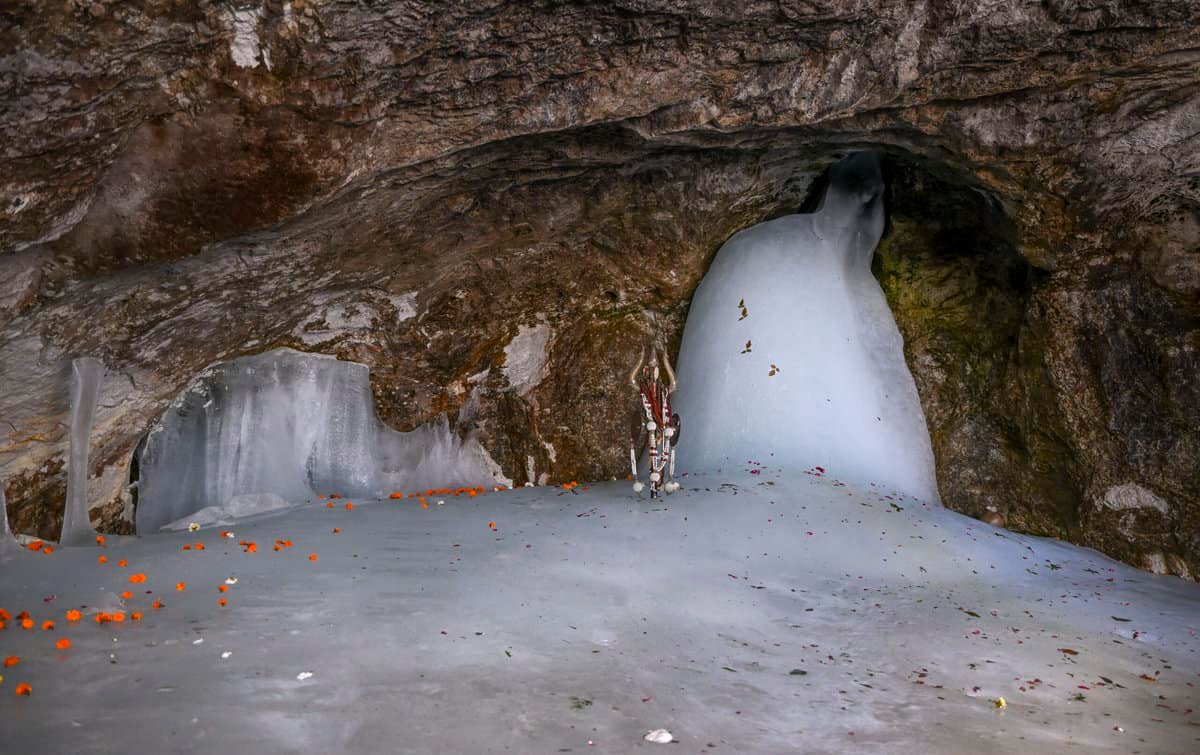
The Amarnath Yatra 2027 is one of the most revered spiritual journeys in India, where devotion meets courage amid the majestic Himalayan landscape. Every season, devotees of Lord Shiva undertake this sacred pilgrimage to receive darshan of the naturally formed ice Shivling inside the holy Amarnath cave.
Located in the high mountains of Jammu and Kashmir, the cave shrine is reachable only during a limited annual window. Since the pilgrimage route involves steep passages, cold weather, uncertain conditions and physically demanding walking stretches, every yatri should prepare carefully before beginning the journey.
Religious Significance of the Amarnath Cave
The Amarnath cave holds a special place in the faith of Lord Shiva devotees. According to traditional belief, Lord Shiva revealed the Amar Katha, the secret of immortality, to Mata Parvati at this sacred location. The ice Shivling formed inside the cave is worshipped as a divine manifestation of Mahadev.
The entire yatra atmosphere is filled with spiritual energy. Chants of “Har Har Mahadev” and “Bam Bam Bhole” echo through the valleys as pilgrims move across snow-fed streams, mountain tracks and sacred halting points. For many devotees, this pilgrimage becomes a deeply emotional and unforgettable chapter of life.
Amarnath Yatra 2027 Registration Process
Registration is a compulsory requirement for participating in the Amarnath Yatra. A valid yatra permit helps authorities regulate the number of pilgrims, arrange medical aid, maintain security, manage route movement and ensure safer crowd control during the pilgrimage season.
Documents Generally Needed
- Government-approved photo ID such as Aadhaar Card, Passport, Voter ID or Driving Licence.
- Compulsory Health Certificate issued by an authorised medical practitioner or approved institution.
- Recent passport-size photographs.
- Active mobile number and emergency contact details.
- Preferred route selection: Pahalgam side or Baltal side.
Basic Registration Steps for Pilgrims
- Open the official Shri Amarnathji Shrine Board portal or visit an authorised registration facility.
- Enter the required personal, travel and identification details accurately.
- Upload or submit the Compulsory Health Certificate in the prescribed format.
- Choose the route and available date as per the permitted quota.
- Complete the applicable registration payment, wherever required.
- Download, print or collect the yatra permit and carry it throughout the journey.
Pony, Palki and Pilgrim Assistance Services
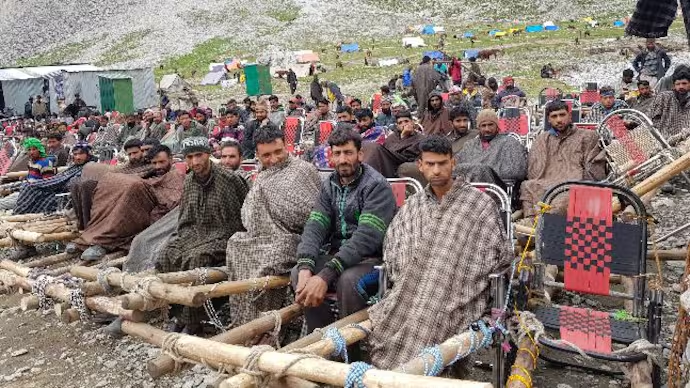
Many devotees are unable to walk the complete mountain route due to age, health limitations, low stamina or steep climbing conditions. For such yatris, local assistance options like pony, palki and pithoo services can make the pilgrimage more manageable.
A palki is suitable for pilgrims who cannot walk long distances at high altitude. A pony can help cover challenging sections of the track, while a pithoo may assist with luggage, children or light carrying support. These services help reduce exhaustion and support a safer yatra experience.
Who May Need Pony or Palki Support?
- Elderly devotees who find uphill walking difficult.
- Pilgrims facing stamina issues, joint pain or knee discomfort.
- Families accompanying senior citizens.
- Yatris who want to conserve energy for the return journey.
- Groups carrying small bags or essential items on the route.
Amarnath Yatra Routes: Pahalgam and Baltal
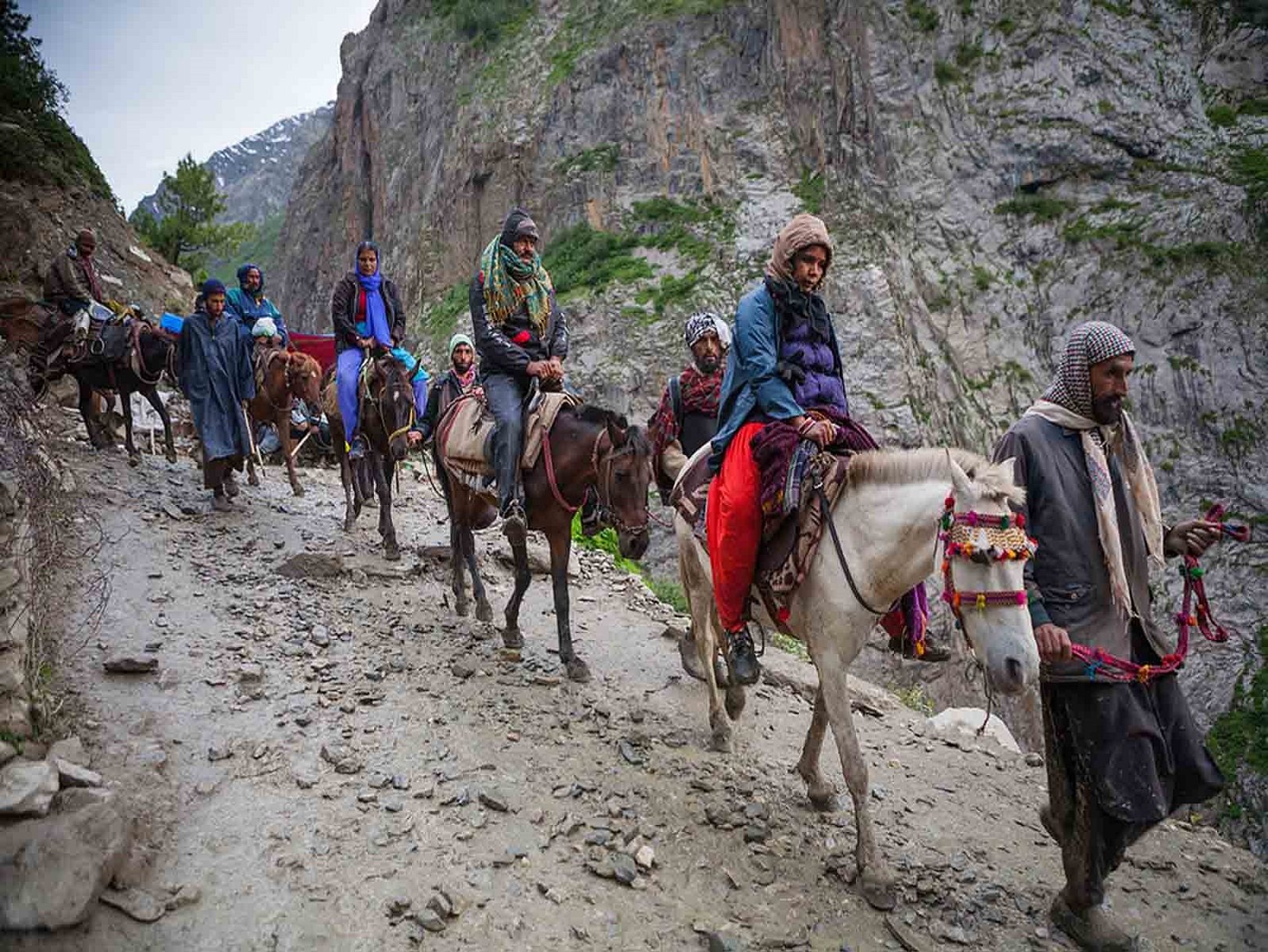
Pilgrims usually reach the holy cave through two main routes: Pahalgam and Baltal. Both routes lead to Baba Barfani, but the distance, difficulty level and travel experience are different. The route should be selected after considering health, time, age and comfort.
| Route | Journey Type | Best Suited For |
|---|---|---|
| Pahalgam Route | Longer, more gradual and traditionally preferred route passing through scenic valleys. | Devotees who want a slower, more devotional and classic yatra experience. |
| Baltal Route | Shorter in distance but steeper, faster and physically more demanding. | Physically fit pilgrims with limited time and better walking capacity. |
Pahalgam Route Overview
The Pahalgam route is considered the traditional path of the yatra. It passes through important points such as Chandanwari, Sheshnag and Panchtarni before reaching the holy cave. Although the route is longer, many devotees prefer it because the climb is comparatively gradual and the surroundings are spiritually uplifting.
Baltal Route Overview
The Baltal route is shorter but more intense. The path involves steep stretches and can be tiring, especially during return movement. It is usually selected by yatris who are physically strong and can handle a faster yet tougher pilgrimage schedule.
Pithoo and Luggage Help During the Journey

Carrying heavy luggage during the Amarnath Yatra is not recommended. The high altitude, thin air, sudden weather shifts and long walking stretches can make even a light climb feel difficult. A pithoo can help carry necessary belongings and allow pilgrims to walk with less pressure.
Yatris should pack smartly and keep only essential items such as warm clothing, rain cover, personal medicines, dry snacks, drinking water, torch, identity proof and yatra documents. Extra bags should be avoided because they increase fatigue and slow down the movement.
Important Items to Carry
- Thermal innerwear, warm jacket, gloves and woollen cap.
- Raincoat, poncho or other waterproof protection.
- Strong trekking shoes with proper grip.
- Personal medicines and a small first-aid pouch.
- Water bottle and light energy food.
- Original ID proof, yatra permit and Compulsory Health Certificate.
- Small torch, charged power bank and emergency contact numbers.
Health and Safety Instructions for Amarnath Yatris
The Amarnath track lies in a high-altitude Himalayan zone where weather can change without warning. Cold winds, rain, slippery paths, low oxygen and sudden fatigue may create difficulty for unprepared pilgrims. Therefore, medical fitness should be treated as a serious safety requirement, not merely as paperwork.
- Never ignore symptoms like breathlessness, chest discomfort, dizziness or severe weakness.
- Move at a controlled pace and avoid rushing on steep sections.
- Stay hydrated, but avoid eating heavily during the climb.
- Listen to instructions from security teams, medical staff and yatra management authorities.
- Do not leave your group without informing your companions.
- Follow weather alerts, route advisories and official restrictions carefully.
Best Time to Plan Amarnath Yatra 2027
The Amarnath Yatra is generally conducted during the summer period when snow conditions and route accessibility allow controlled pilgrim movement. The final opening date, closing date, registration schedule and route-related instructions should be checked only from official announcements.
Pilgrims should avoid depending on rumours, social media assumptions or unverified updates. Weather conditions, security arrangements, route status and administrative decisions may change, so final travel planning should always be aligned with official information.
Darshan Experience at the Sacred Cave
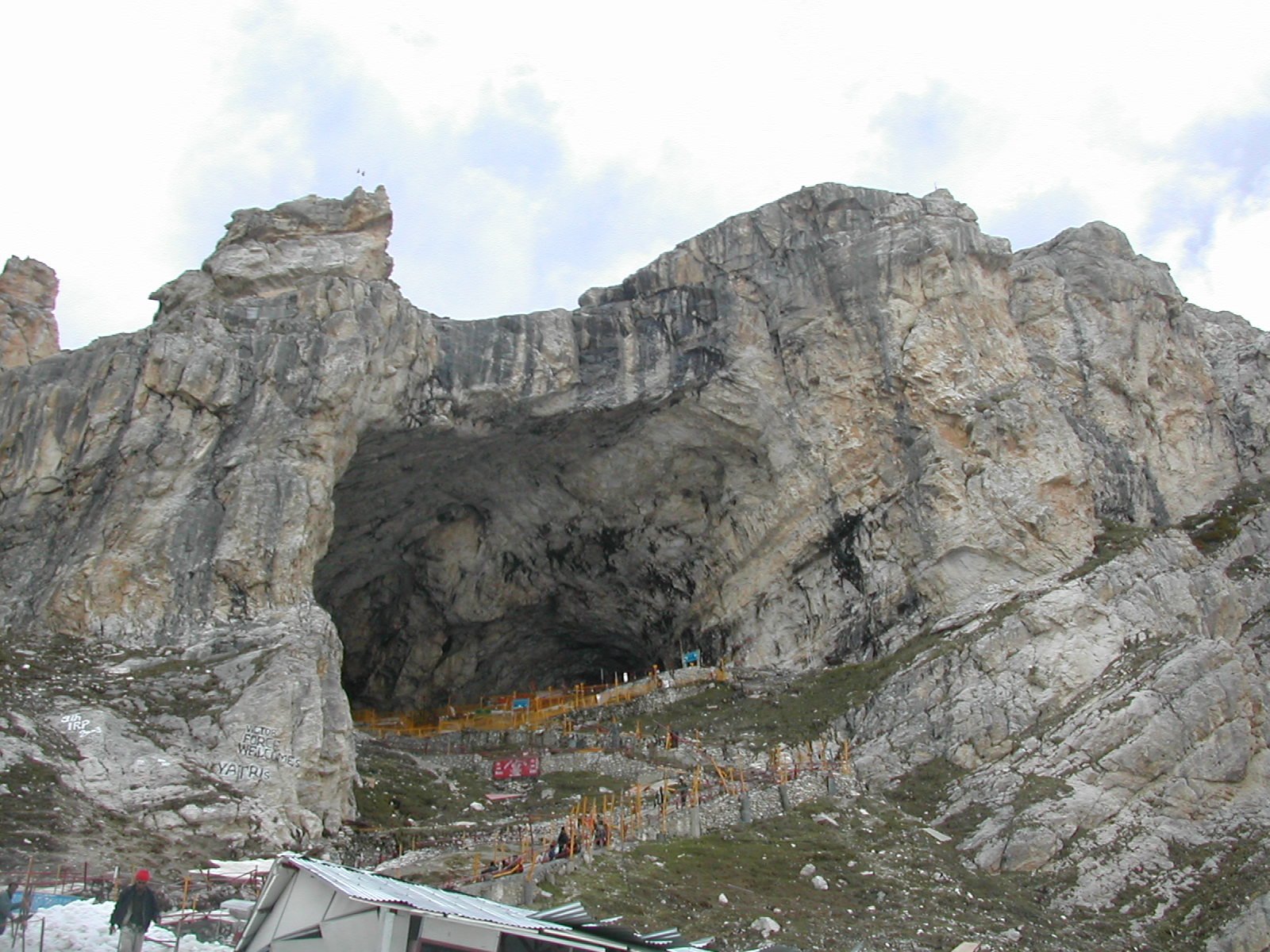
Reaching the holy cave after crossing difficult terrain becomes a powerful spiritual moment for every devotee. The cold Himalayan air, snow-covered surroundings, continuous chants of Lord Shiva and the sight of the ice Shivling create an experience that remains in the heart forever.
Pilgrims should remain calm and disciplined near the cave area. Avoid pushing, follow queue arrangements and respect other devotees. The real essence of the yatra lies not only in reaching the destination, but in completing the pilgrimage with humility, faith and self-control.
Useful Travel Advice for First-Time Pilgrims
- Arrange hotels, transport and support services before peak yatra dates.
- Keep extra time in your travel plan because weather can delay movement.
- Carry sufficient woollen clothing even if the weather feels normal at the base point.
- Do not carry unnecessary jewellery, valuables or excess cash.
- Prefer verified and registered local assistance providers only.
- Keep your family informed about your route, halt points and travel progress.
- Respect environmental rules, security checks and local administrative directions.
Why Early Preparation Matters
A successful Amarnath Yatra requires proper coordination of registration, health certification, route choice, accommodation, transport, food, support services and emergency planning. Sudden or last-minute arrangements can create avoidable confusion, especially for senior citizens and family groups.
When a pilgrim prepares in advance, the journey becomes more peaceful and organised. With documents, clothing, route plan, support service and stay arrangements already in place, the yatri can focus on devotion instead of logistical stress.
Make Your Amarnath Yatra More Comfortable
Plan pony, palki, pithoo and route support in advance so your pilgrimage remains safer, smoother and spiritually fulfilling.